To the Northern Lights by night train – right across Finland
The best way to reach northern Finland is by night train. Here’s everything you need to know about these superlative night trains.

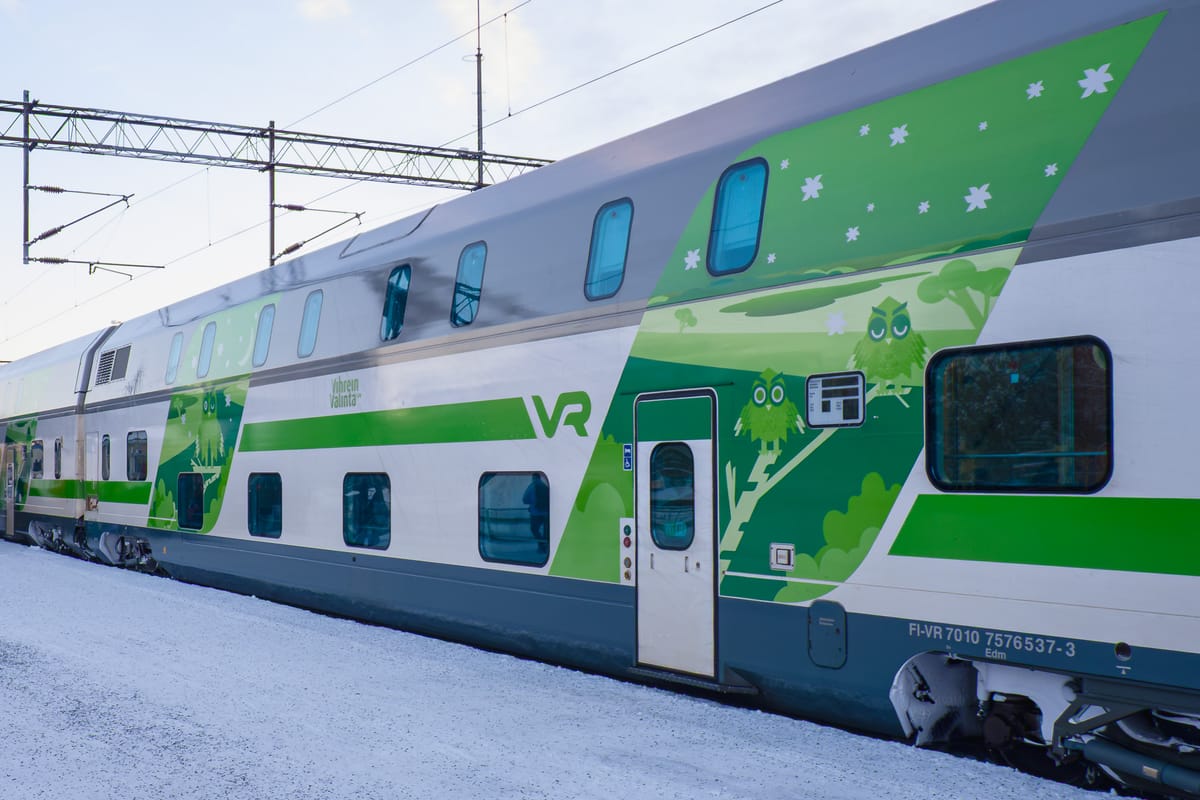
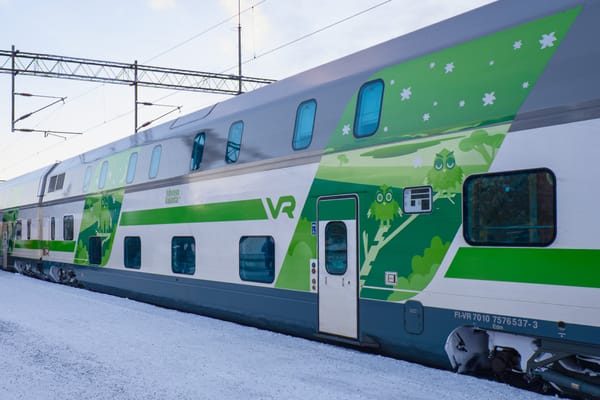
When people hear Finland, they think of saunas, lakes, and endless forests. What’s less well known, however, is that Finland is also a country of night trains. And what night trains they are! Nowhere in Europe are night trains so large and so well equipped. The modern double-decker sleeping cars offer plenty of comfort – and at extremely fair prices.
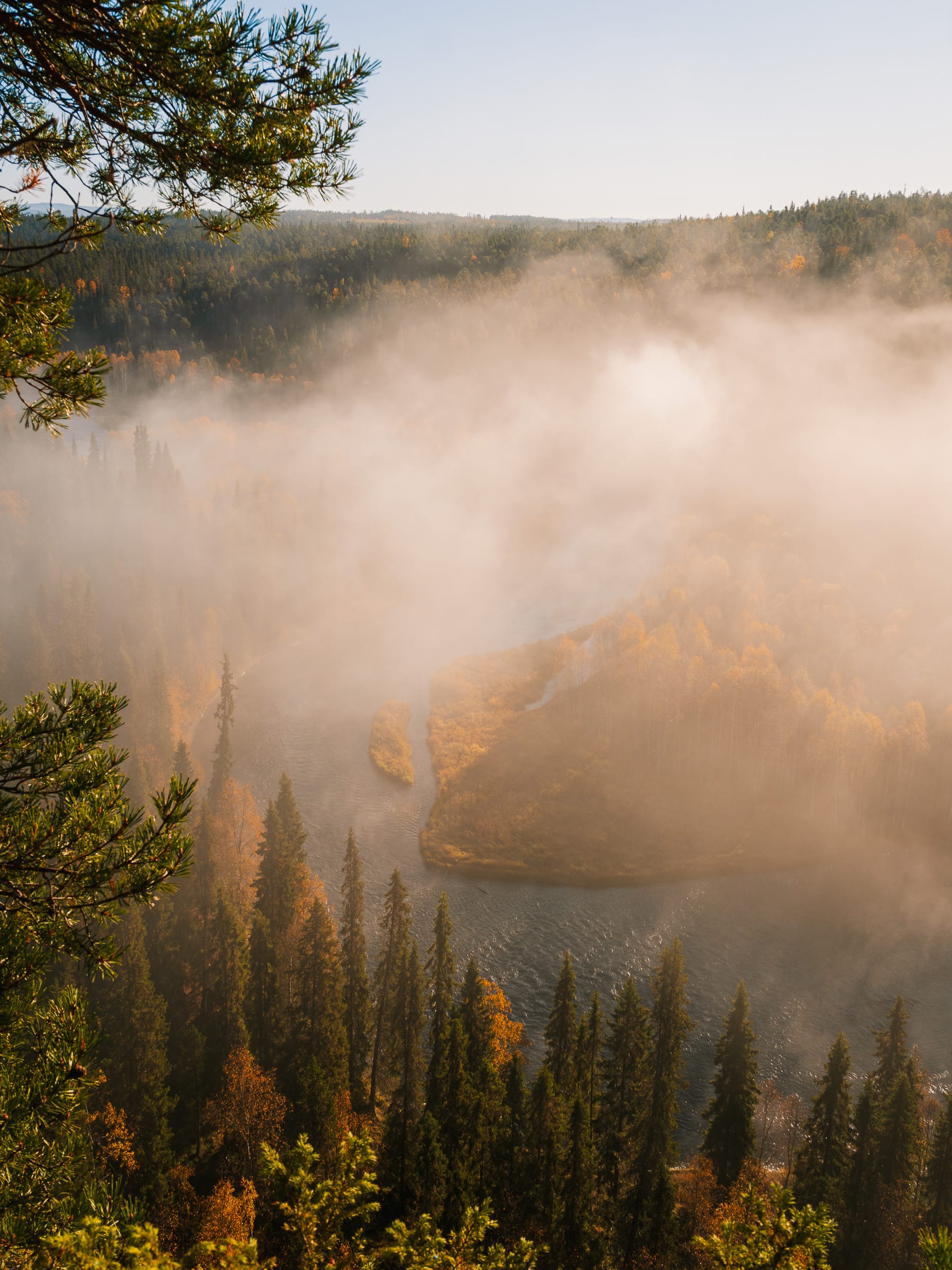
Finland’s night trains connect the population centres in the south with the tourist hubs of Lapland. There, untouched nature, fantastic national parks, and ski season from November to May await. And then there are the Northern Lights, glowing in the night sky … If that’s not a reason to hop on a night train, what is?
The network is supplemented by buses that are perfectly timed to the night trains and take you to all the key destinations in northern Finland without a rail connection. Prefer to bring your own car or motorbike? No problem: all Finnish night trains are also car-carrying trains.
Which routes do the trains operate on? What are the facilities like on board? And how can you get the cheapest tickets? In this guide, we introduce you to Finland’s night trains.
Contents
Routes
Finland’s night trains are operated by the state railway company VR. They run on four routes connecting the densely populated south with Lapland, Finland’s northernmost region. In Finnish, a night train is called a Yöjuna; in timetables, they often carry the designation PYÖ or IC.
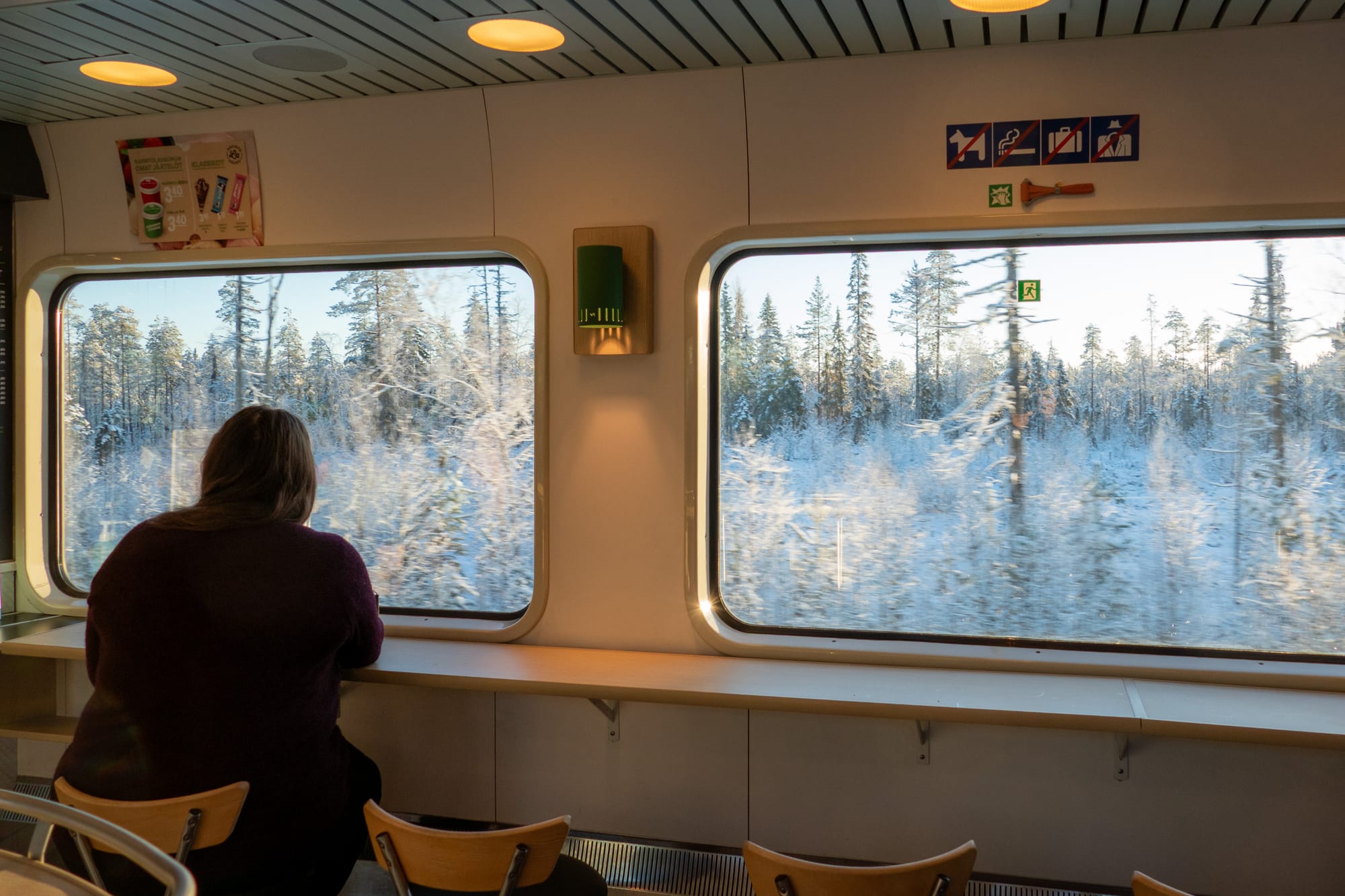
Three of the four routes start in Helsinki and run via Tampere along Finland’s west coast to Oulu, the northernmost major city in the European Union. There, the routes split, and the trains continue to their final destinations of Rovaniemi, Kemijärvi, and Kolari.
There is also a service from Turku, whose carriages are joined to the Helsinki–Rovaniemi night train in Tampere.
The night trains really come into their own in combination with the extensive bus network in Lapland. At the stations in Rovaniemi, Kemijärvi, and Kolari, train and bus timetables are coordinated. This makes it possible to reach numerous destinations in Lapland, and even northern Norway.
Before we take a closer look at the routes, a quick note on language: Finland is officially bilingual, with Swedish spoken alongside Finnish. On your journey, you may therefore come across Swedish place names from time to time. Here are the most important ones at a glance:
- Helsinki – Helsingfors
- Tampere – Tammerfors
- Turku – Åbo
- Oulu – Uleåborg
- Tornio – Torneå
Helsinki–Rovaniemi
Train numbers: Yöjuna 265, 267, and 273 (from Helsinki), Yöjuna 264, 266, and 274 (from Rovaniemi)
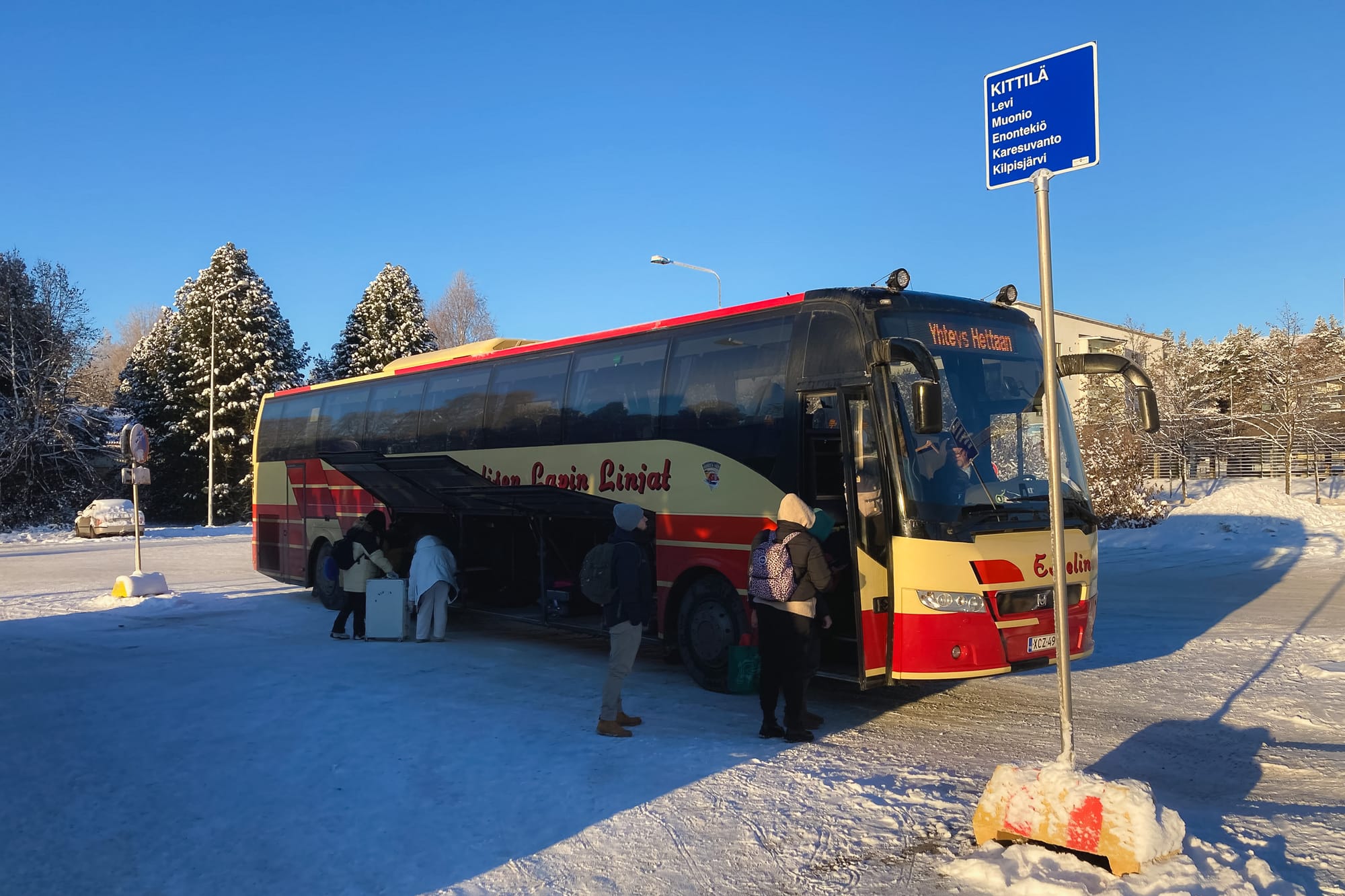
Bus connections: Levi, Kittilä, Kilpisjärvi, Saariselkä, Inari, Karasjok (Norway)
Rovaniemi is the best-known destination served by Finland’s night trains. The city lies directly on the Arctic Circle and is an important base for trips to Lapland. From the station, buses continue to numerous ski resorts and hiking areas, as well as across the border into Norway.
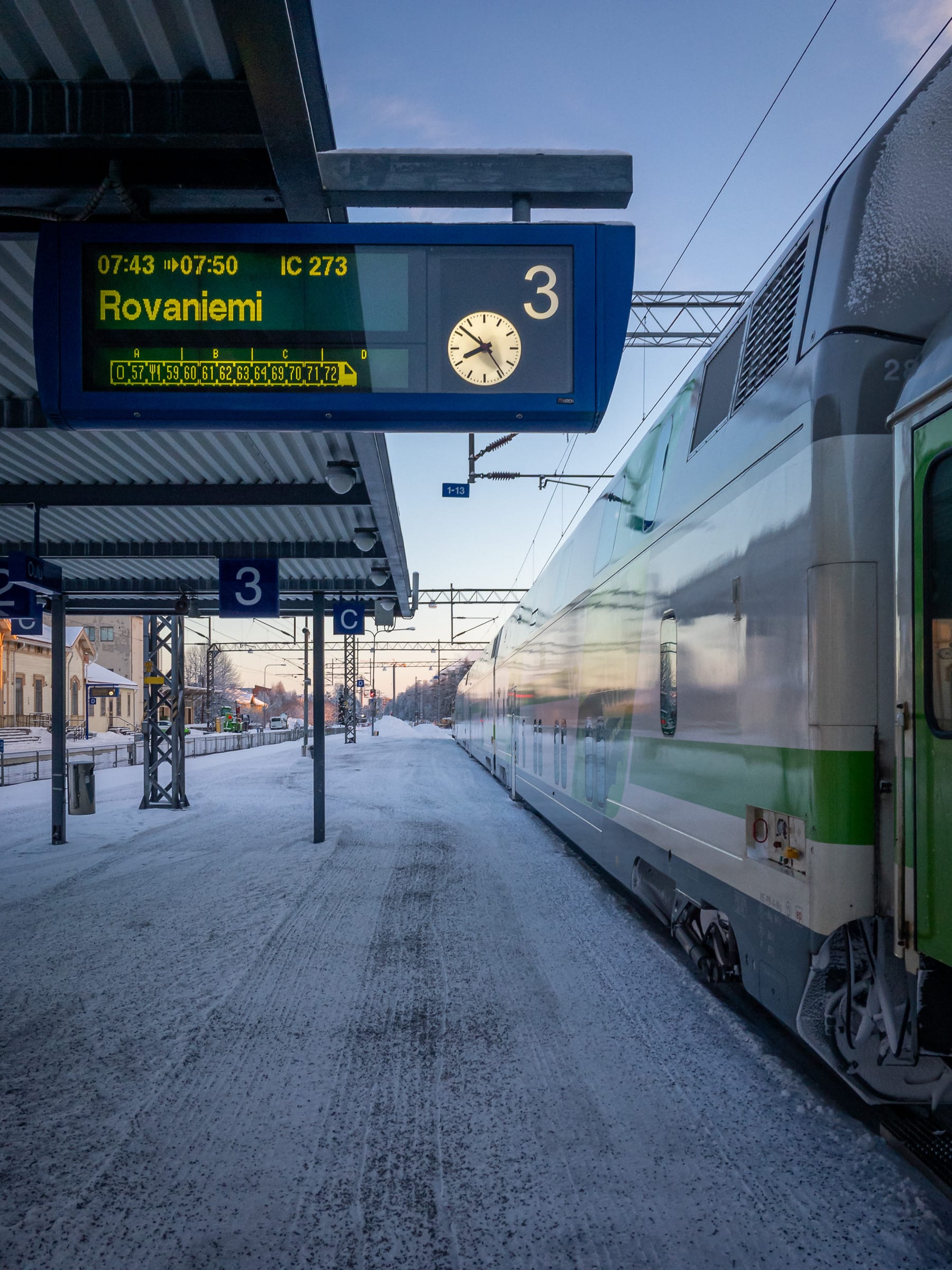
Two night trains run daily from Helsinki via Tampere and Oulu to Rovaniemi. The earlier of the two trains leaves Helsinki in the evening and continues to Kemijärvi after arriving in Rovaniemi in the morning.
The second night train departs at around 11 p.m. and reaches Rovaniemi in the late morning. The later departure has the advantage that you also reach Oulu and smaller towns along the west coast at a convenient time. This train also carries the sleeping cars from Turku, which are attached in Tampere (see below).
Here you can find all connections to Rovaniemi:
Helsinki–Kemijärvi
Train numbers: Yöjuna 265 (from Helsinki), Yöjuna 274 (from Kemijärvi)
Bus connections: Pyhä-Luosto, Salla, Ruka
The night train to Kemijärvi takes you even further north. The route runs via Tampere, Oulu, and Rovaniemi. Shortly after Rovaniemi, the train crosses the Arctic Circle before reaching the north-eastern terminus of Finland’s passenger rail network.
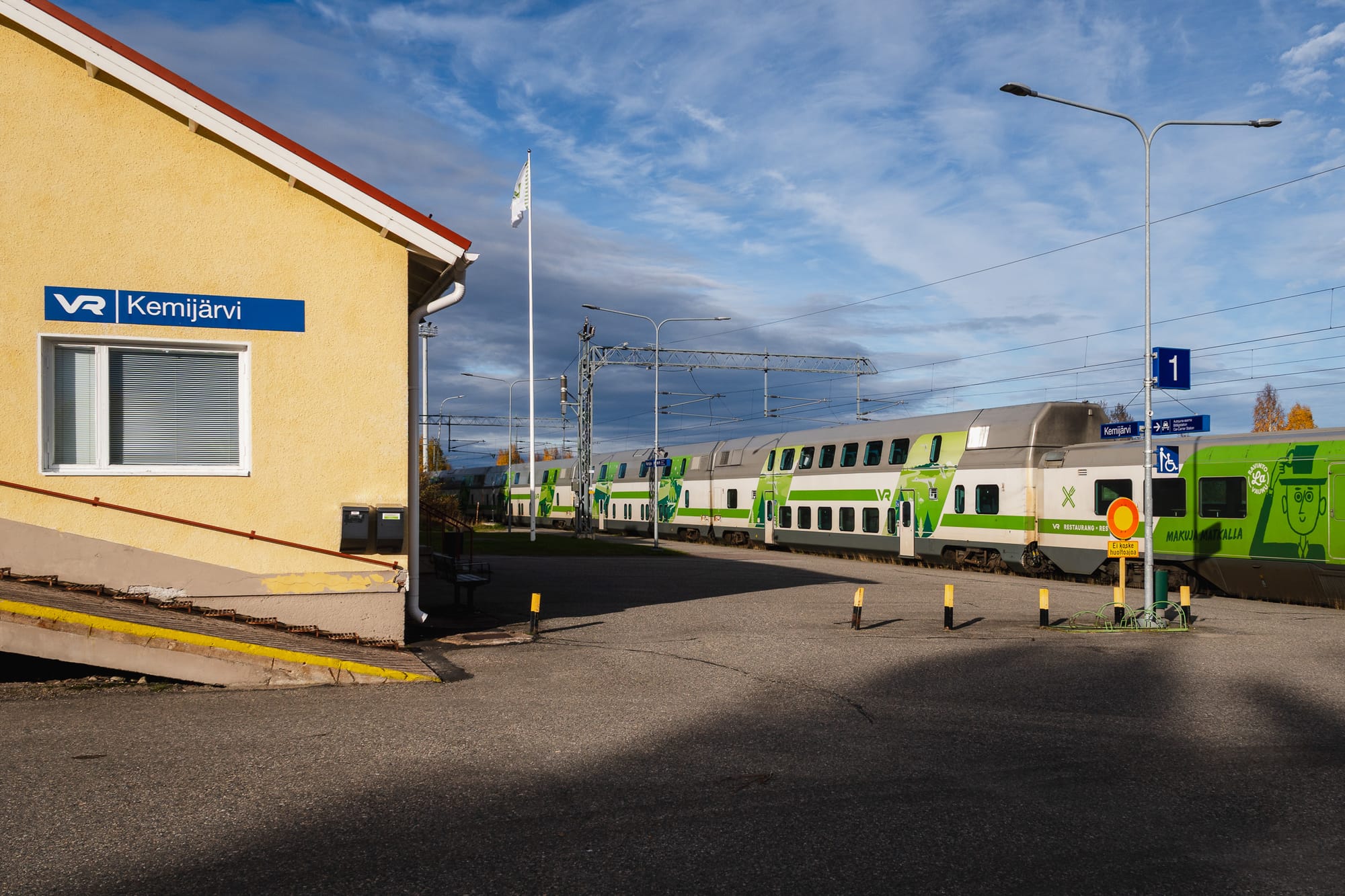
Kemijärvi lies idyllically on the shores of the lake of the same name and is a good base for exploring south-eastern Lapland. For example, the Pyhä-Luosto and Salla national parks can be reached by bus. This makes Kemijärvi an interesting, quieter alternative to the better-known destinations around Rovaniemi.
Here you can find all connections to Kemijärvi:
Helsinki–Kolari
Train numbers: Yöjuna 263 and 269 (from Helsinki), Yöjuna 262 and 276 (from Kolari)
Bus connections: Akäslompolo, Ylläsjärvi, Muonio, Hetta
The third major night train route runs from Helsinki to Kolari, Finland’s northernmost railway station. This train also travels via Tampere and Oulu, but north of Kemi it takes a different route from the night trains to Rovaniemi and Kemijärvi.
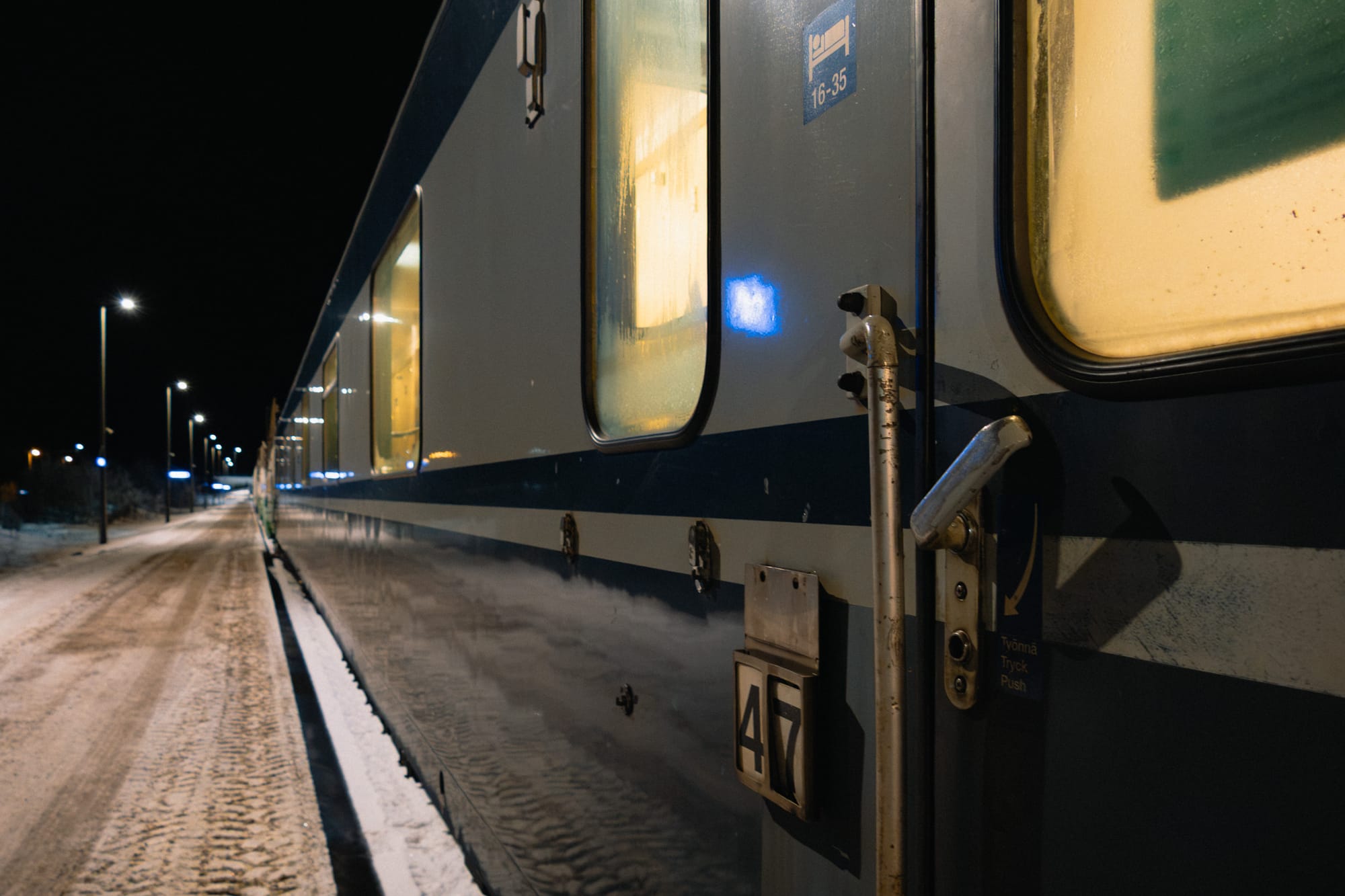
This section offers particularly scenic views along the Torne River, which forms the border between Finland and Sweden for much of its length. In Tornio, you can get off at the Tornio-Itäinen stop and walk to the Swedish station in Haparanda. From there, connections are available towards Boden and Luleå.
Kolari itself is a small town with only around 1,000 inhabitants. From here, buses continue to various destinations in Pallas-Yllästunturi National Park and to the nearby Ylläs ski resort.
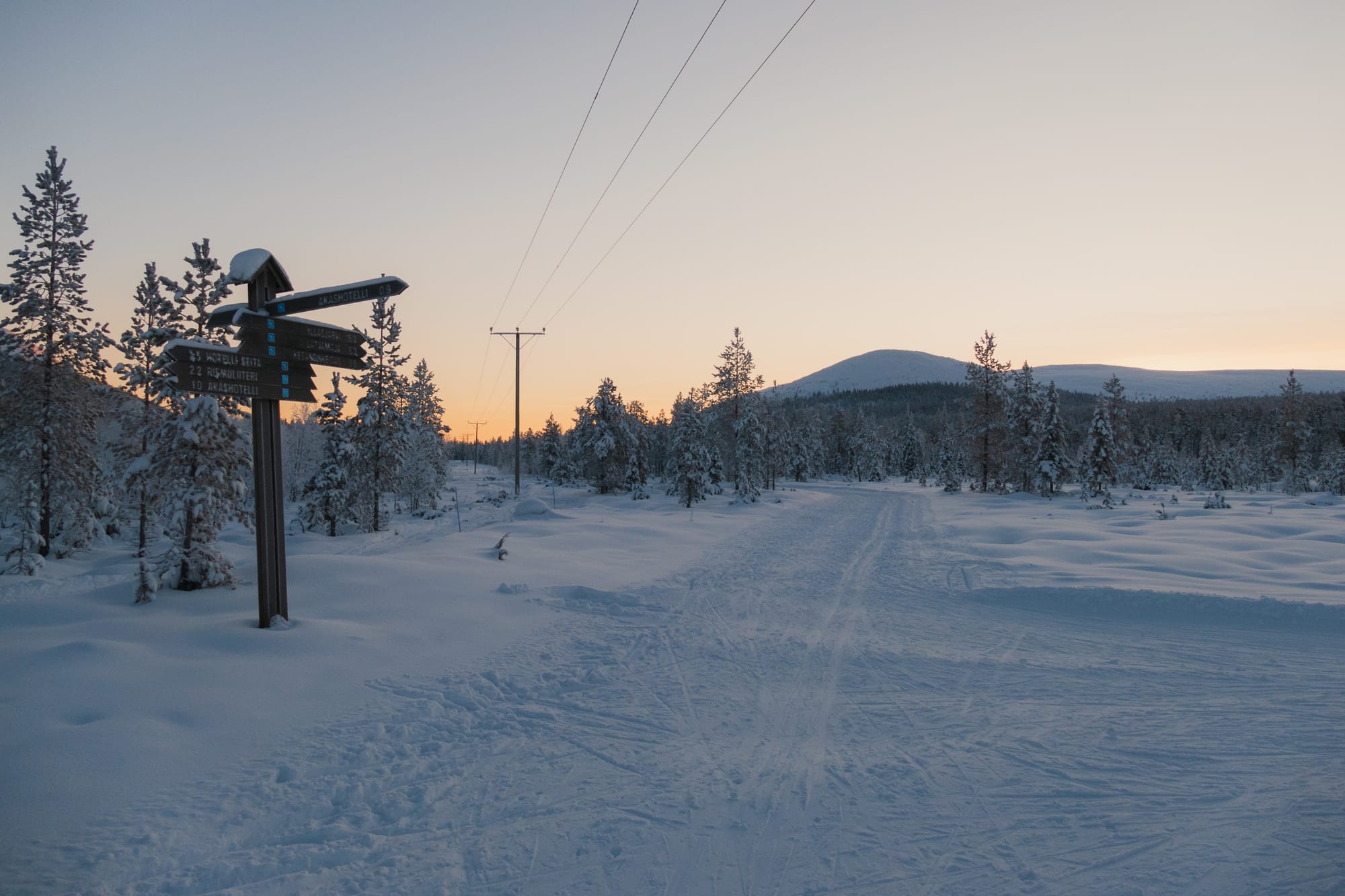
The night train to Kolari has two special features. Since the route north of Tornio is not electrified, diesel locomotives are used from Oulu onwards. In addition to the modern double-decker sleeping cars, the trains also carry some older, single-decker sleeping cars with classic three-berth compartments. More on that below.
Here you can find all connections to Kolari:
Turku–Rovaniemi
Train number: Yöjuna 933 (from Turku), Yöjuna 904 (from Rovaniemi)
The service from Turku is the insider tip among Finland’s night trains. The timetable is perfectly coordinated with the ferries from Stockholm: after a day at sea through the beautiful archipelago, you can fall straight into the cosy sleeping car bed. The harbour station is just a few steps from the ferry terminal.
The night train from Turku is also generally less busy than the services from Helsinki and is therefore often cheaper.
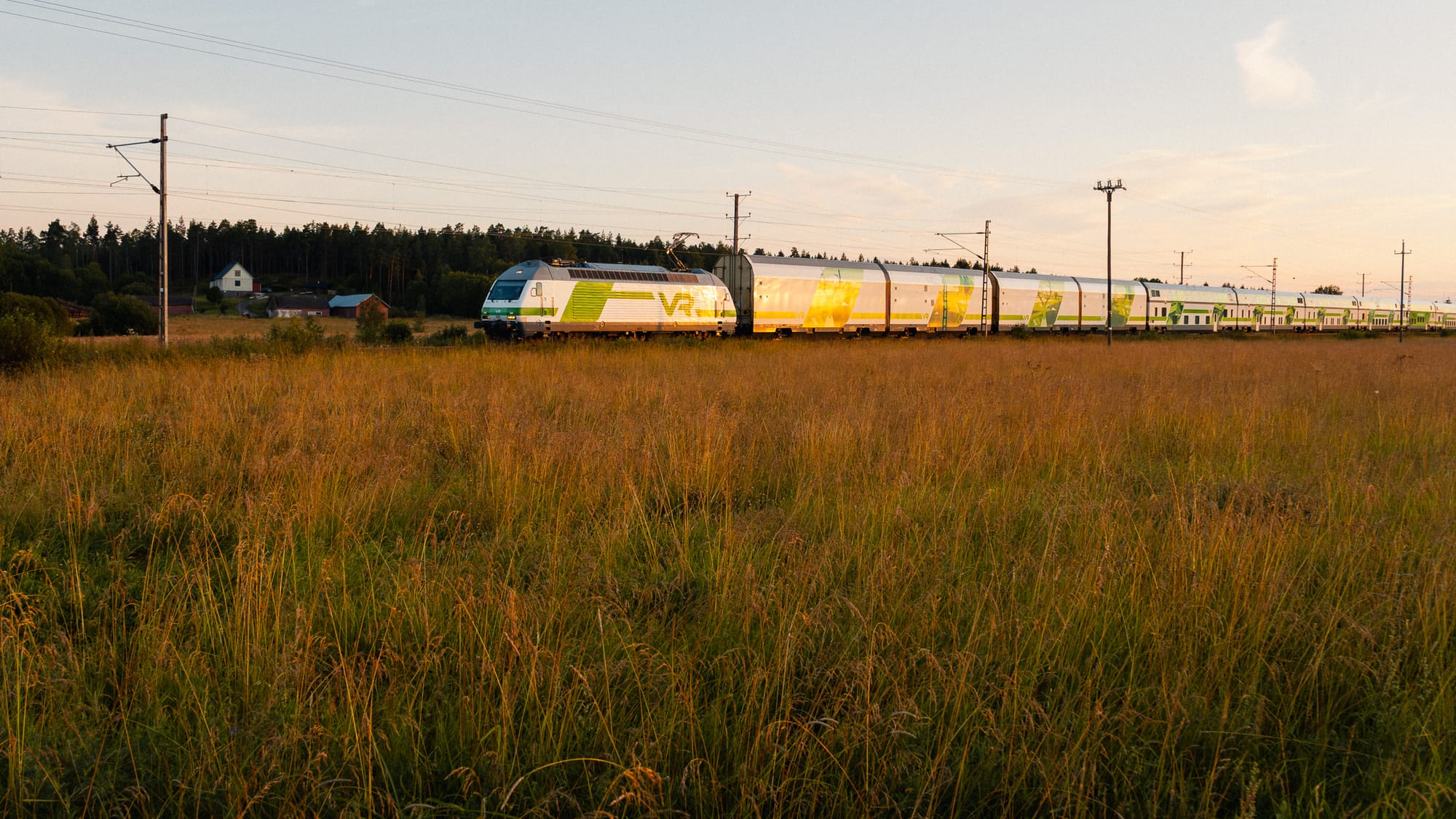
Operationally, this is a group of through carriages consisting of several sleeping cars and car-carrying cars. In the evening, they are taken from Turku to Tampere on the last Intercity of the day and attached there during the night to the night train from Helsinki.
Important: while the Intercity starts at Turku satama station right next to the ferry terminal, the sleeping cars to Rovaniemi are only attached at Turku’s main station. If you have booked a sleeping car compartment, you can travel the short distance from the harbour in a seating car and then change to the sleeping car. In the opposite direction, however, the sleeping cars run directly to the harbour station.
Here you can find all connections from Turku to Rovaniemi:
Comfort and facilities
This brings us to the point where Finland’s night trains really shine. The carriages are simply enormous. This is due to Finland’s broad-gauge railway, which allows for larger car bodies than the standard gauge commonly used in Central Europe.
On top of that, almost all the carriages are double-deckers. Together with the long trains, this provides enormous capacity. Up to nine sleeping cars with hundreds of beds operate daily to Kemijärvi alone.
When it comes to comfort categories, Finland keeps things simple: there are sleeping cars and seating cars, but no couchette cars. In the sleeping car, you always book an entire compartment. For several years now, it has no longer been possible to book an individual bed in a compartment shared with strangers in Finland.
Sleeping cars
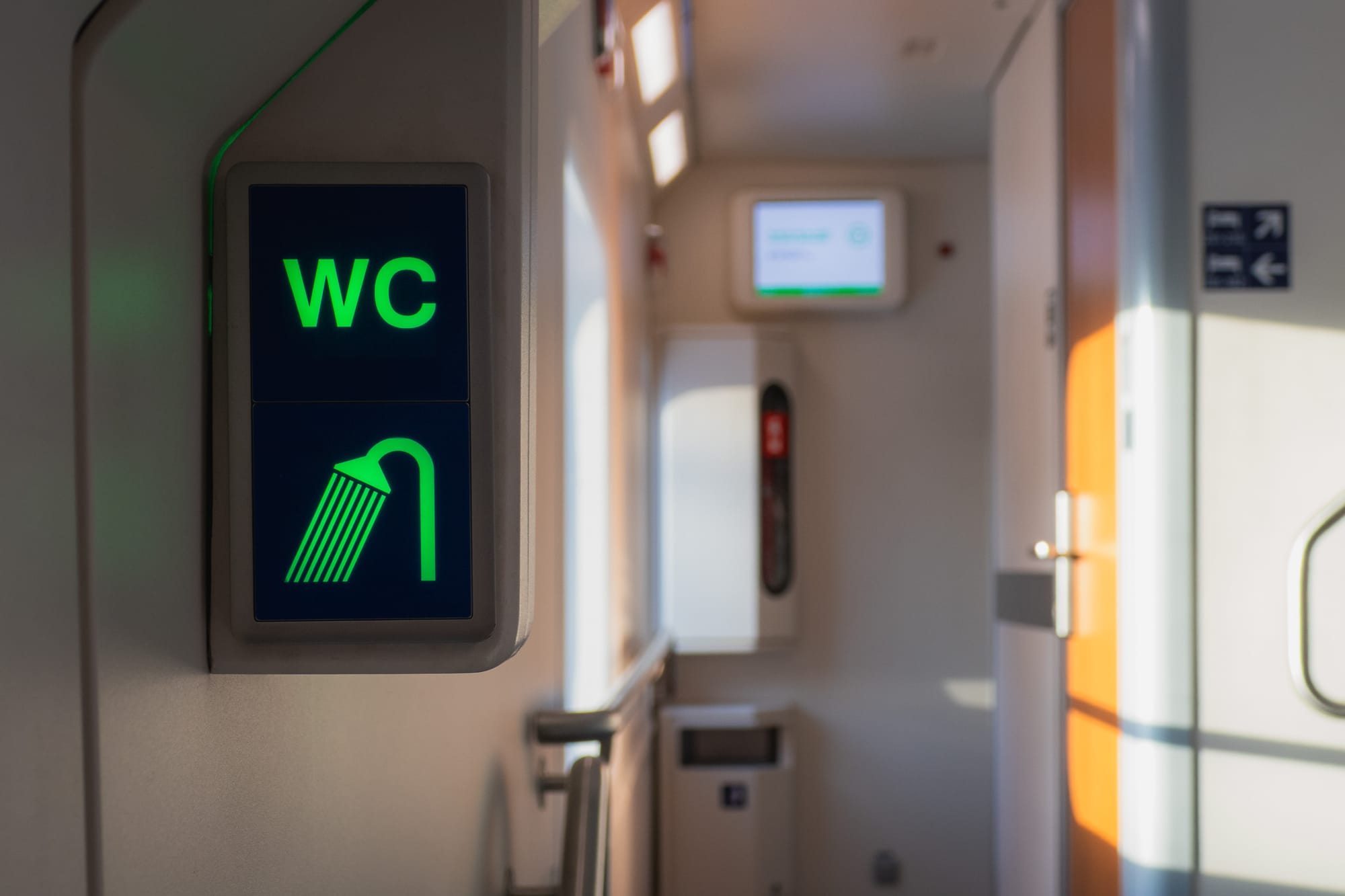
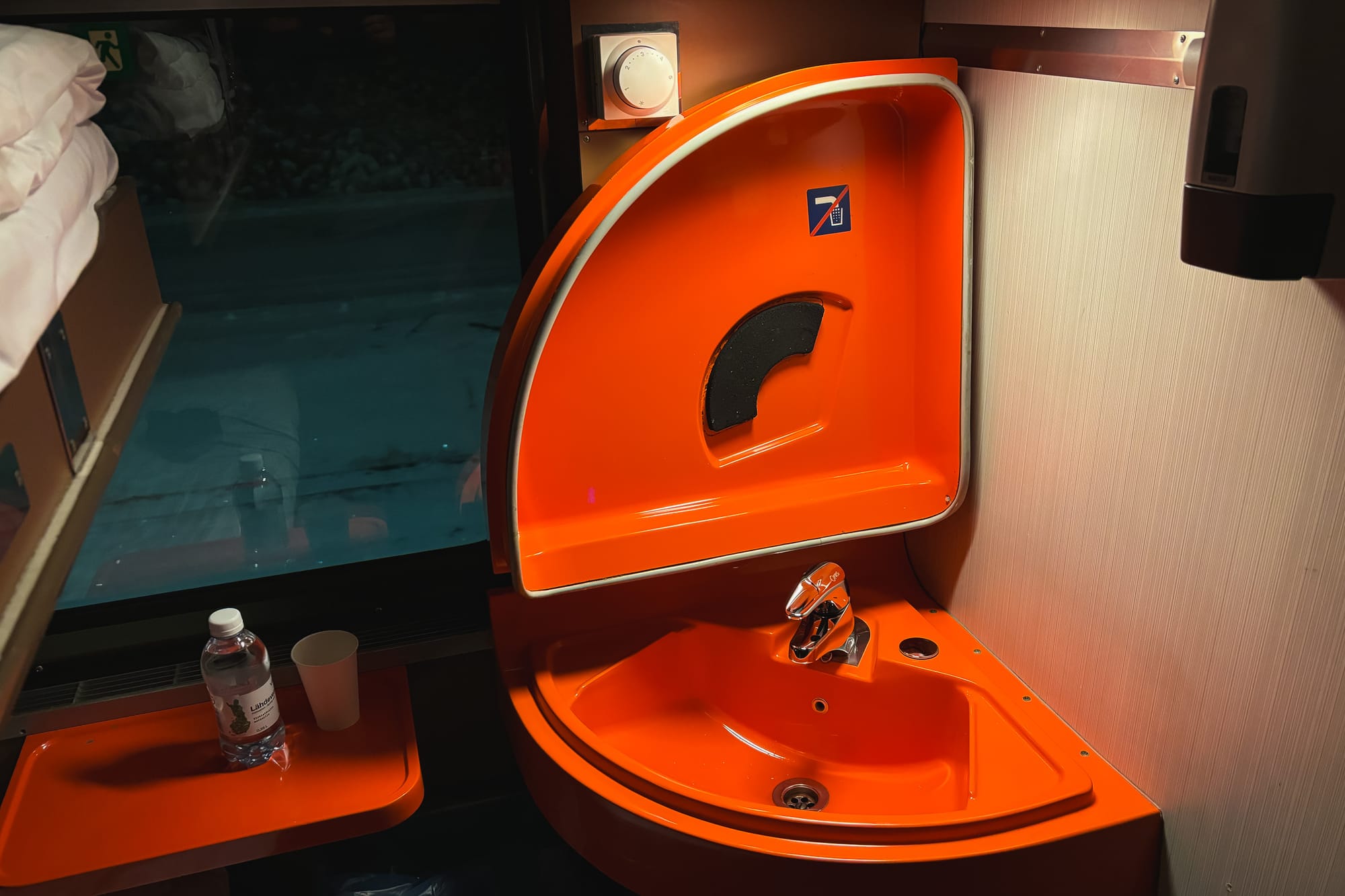
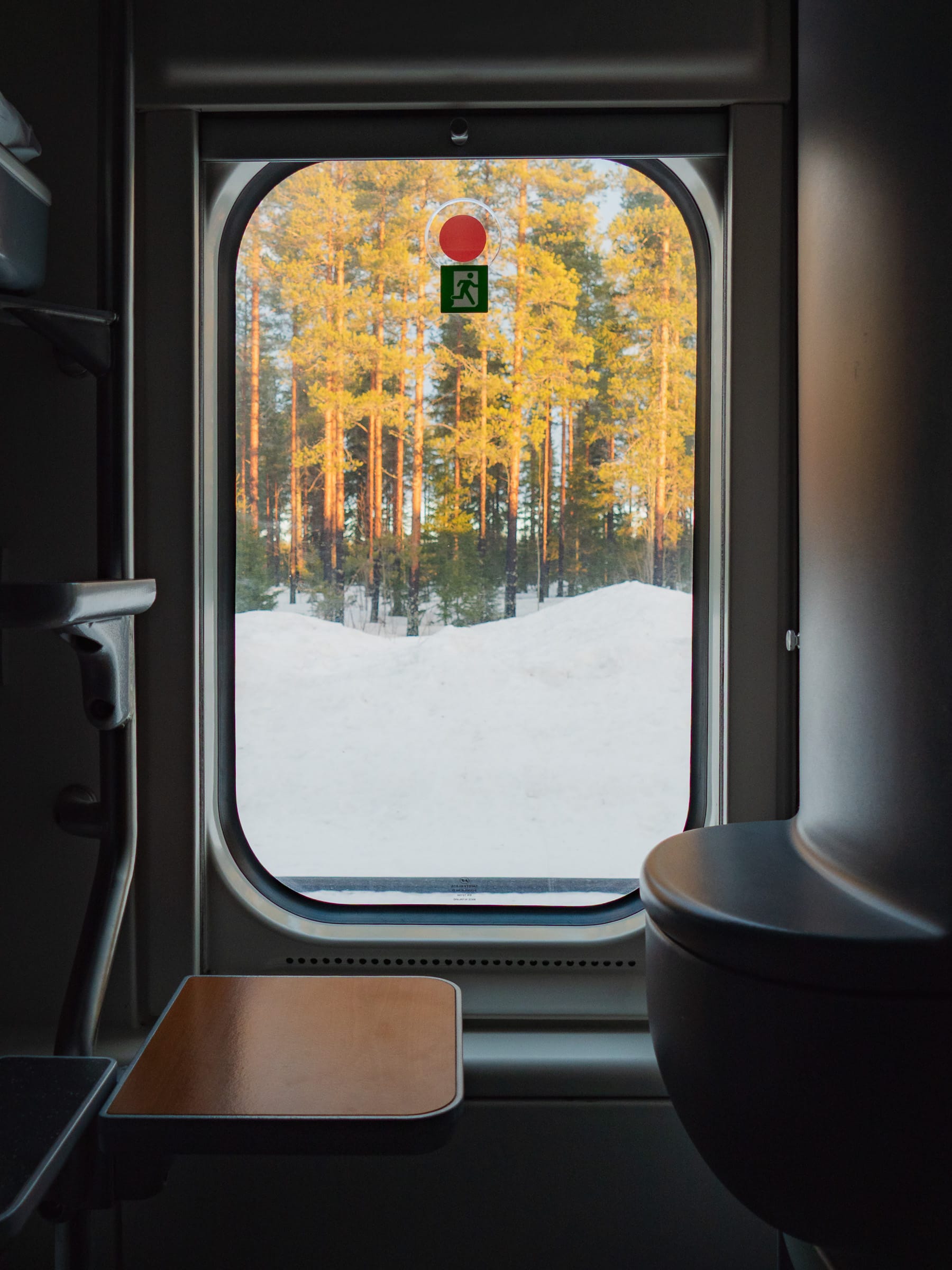
Modern double-decker sleeping cars from the 2000s operate on all routes. The standard compartments are located on the lower deck. They have two beds arranged one above the other, a folding seat, and a fold-up cupboard with a washbasin. Toilets and a shower are located in the corridor.
On the upper deck, there are compartments with their own bathroom containing a shower and toilet. Otherwise, they are equipped similarly to the standard compartments on the lower deck.
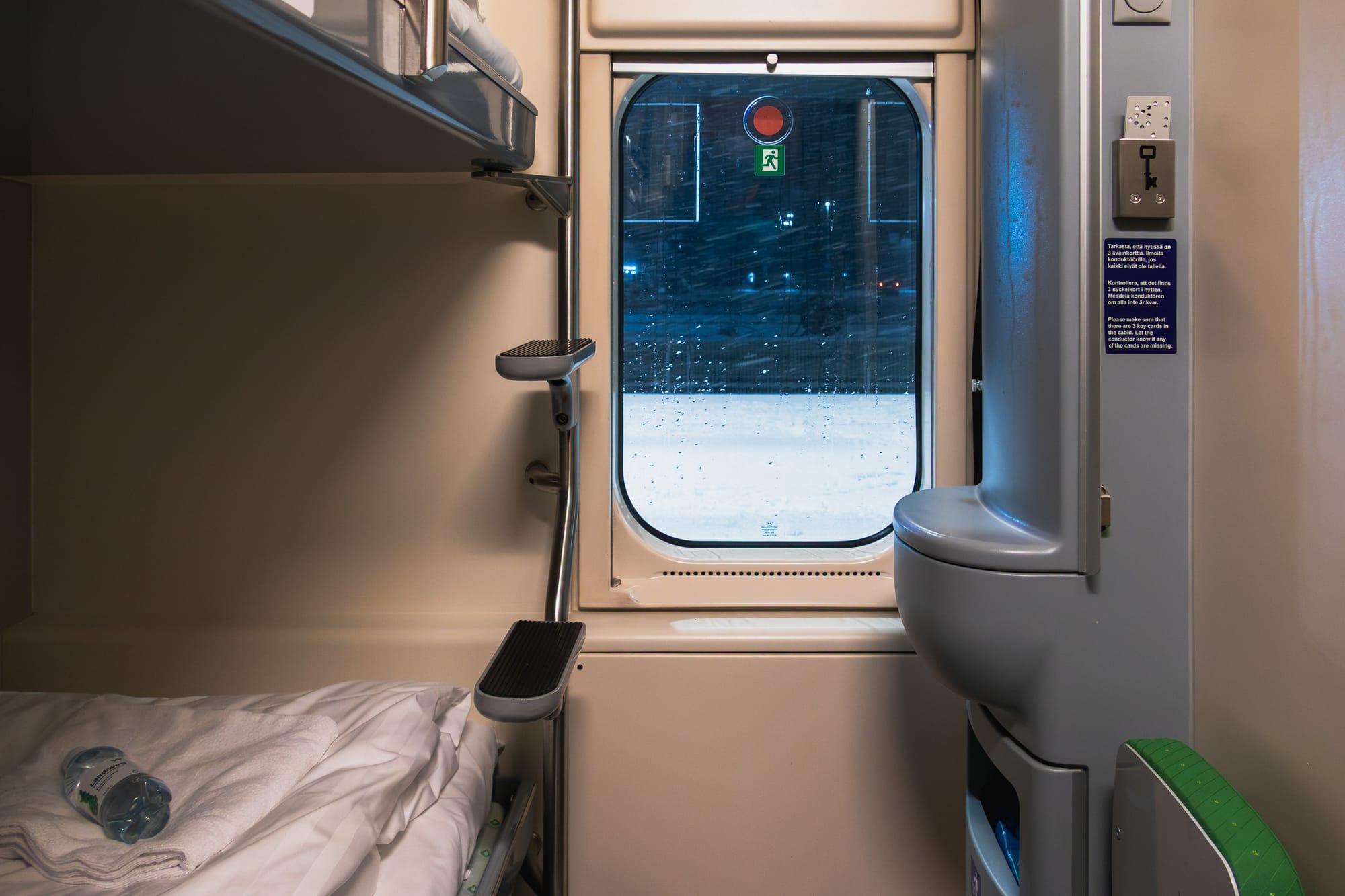
At two metres long, the beds are pleasantly spacious. The distance between the upper and lower beds is also enough for you to sit upright. Each bed has a small console with a digital clock and alarm function, a power socket, and a reading light. The temperature in the compartment can be adjusted using a control next to the door.
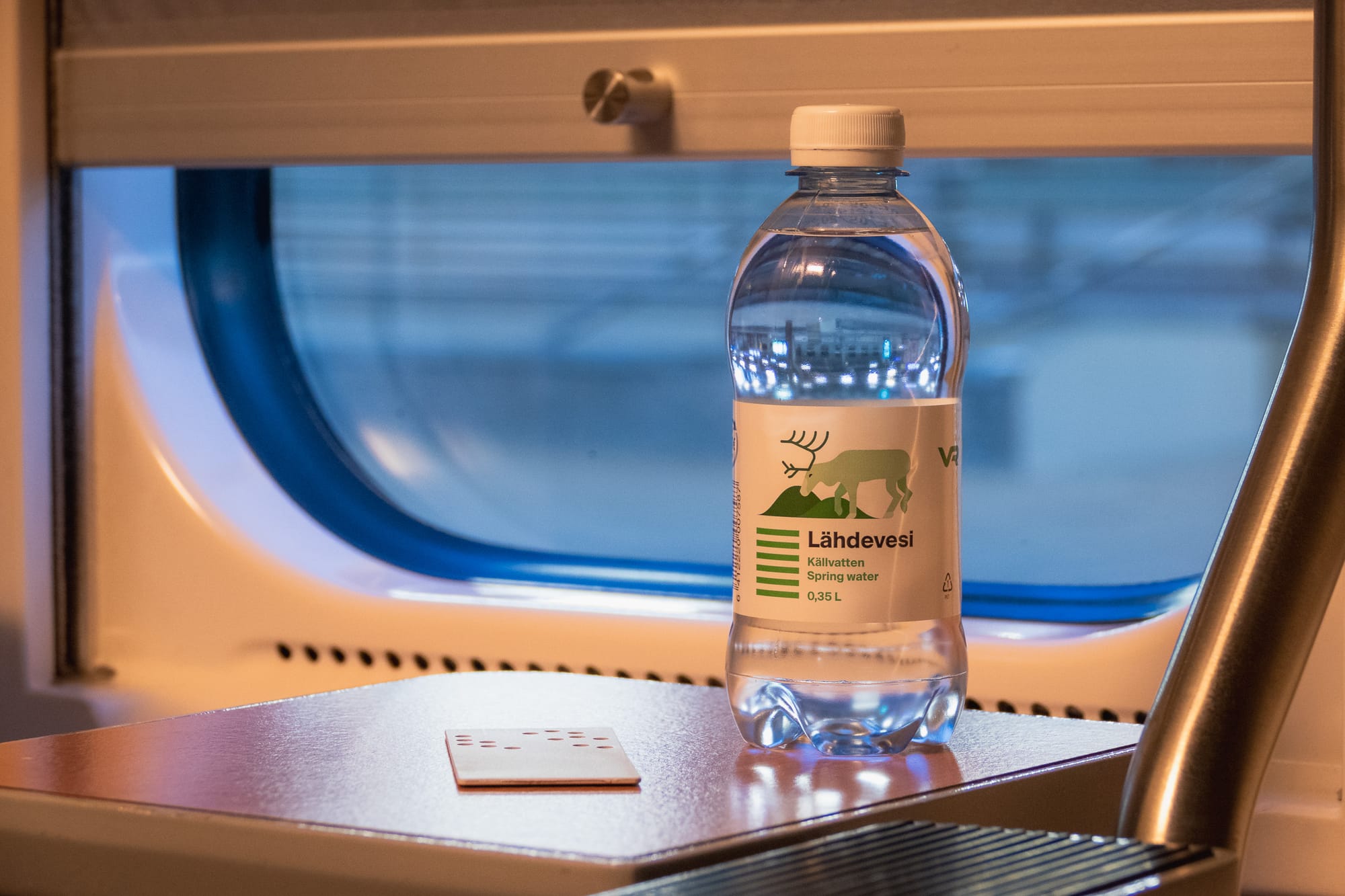
Each traveller receives a small bottle of water and a towel. Paper cups and soap are kept in the cupboard next to the washbasin. The sleeping cars have Wi-Fi.
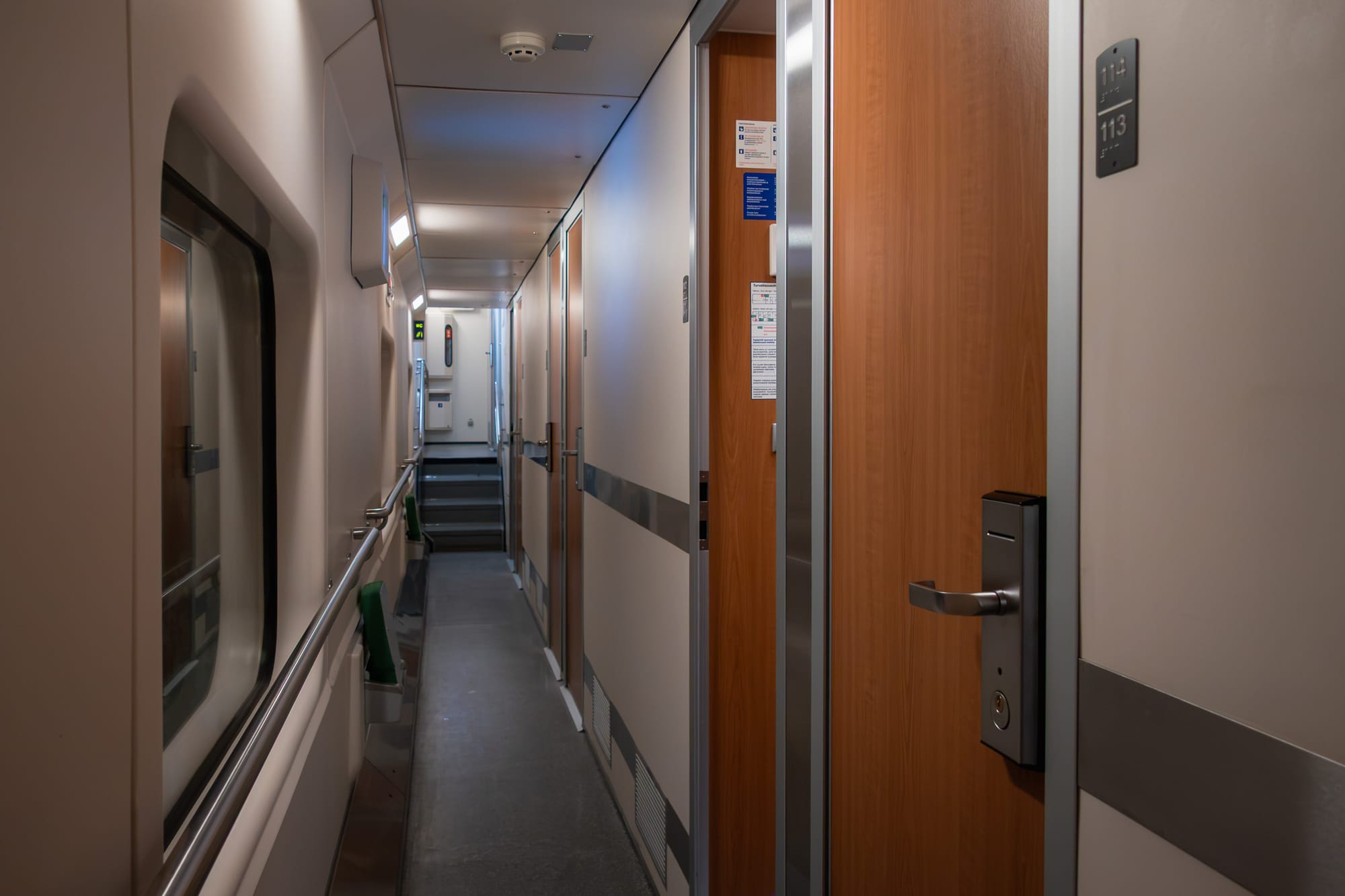
Each double-decker sleeping car also has an accessible compartment and a compartment where pets are allowed.
On the lower deck, adjacent compartments can be connected via an intermediate door to form a small suite. This is handy for families and small groups. Simply book two adjacent compartments and ask the train staff to open the connecting door.
On the route to Kolari, older single-decker sleeping cars are also used alongside the double-decker sleeping cars. They have the familiar Central European layout with three beds and a fold-up washbasin by the window. These cars do not have a shower.
In Finland’s otherwise ultra-modern night trains, the cars from the 1970s and early 1980s add a touch of retro charm. Despite their simpler facilities, they are also comfortable.
Seating cars
Travelling in a seating car is less comfortable, but cheaper. These are double-decker open-plan carriages, also used for daytime services.
One of the seating cars has spaces for bicycles and pushchairs, as well as a small luggage area for larger items such as skis or sledges. A small fee is charged for bicycles and bulky luggage; pushchairs are carried free of charge.
Dining car
The heart of Finland’s night trains is the dining car. It is usually single-decker and generally located in the middle of the train. The menu includes hot meals, snacks, and drinks. Prices are moderate by Nordic standards. The restaurant closes between 2 and 4 a.m., but is otherwise open throughout the journey.
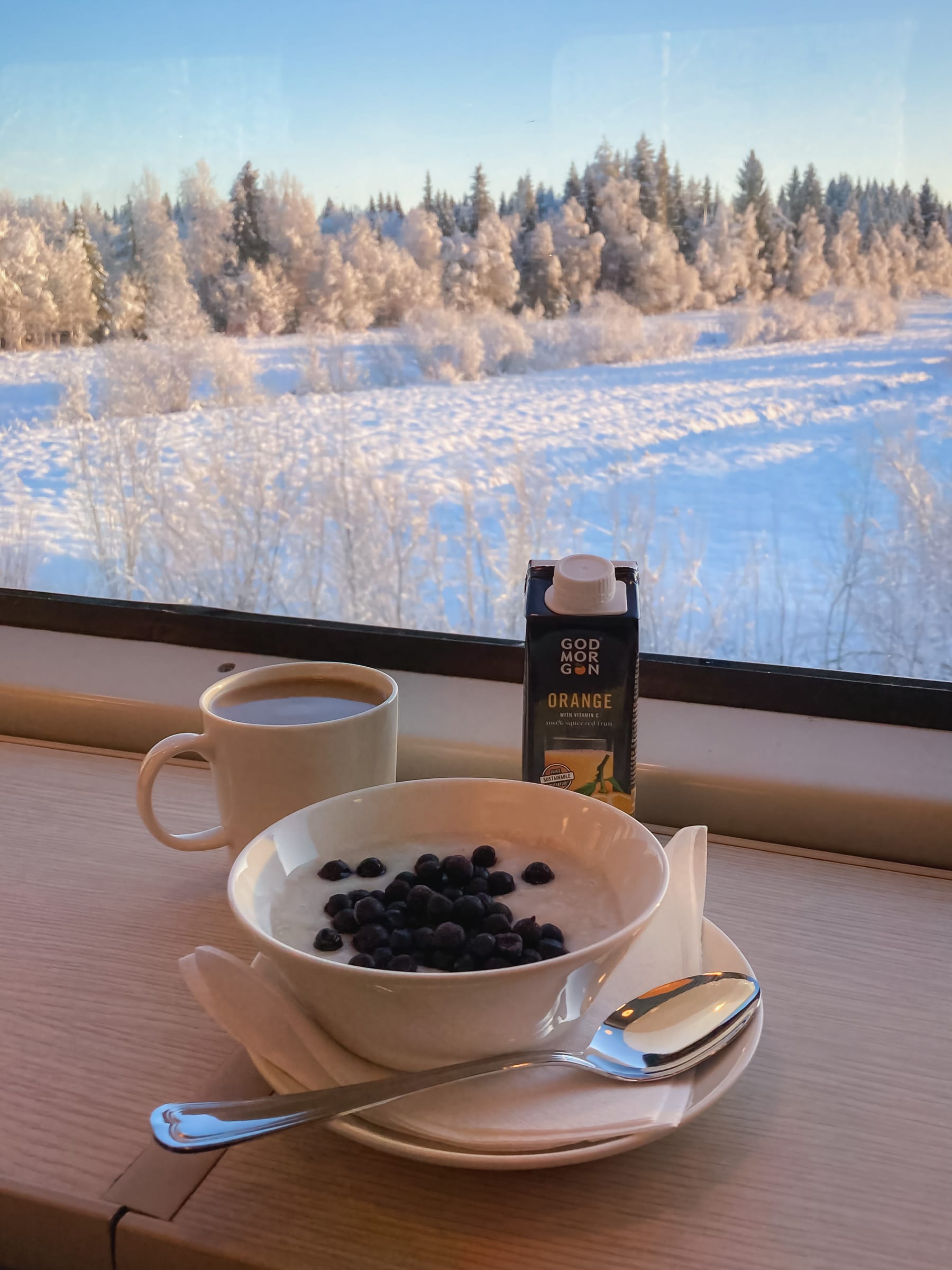
Breakfast includes Finnish classics such as rye bread and porridge with blueberries. Breakfast is not included in the ticket price, but can be pre-ordered when booking. Pre-ordered breakfast is then served directly in your compartment.
Car transport
All Finnish night trains are also car-carrying trains, transporting cars and motorbikes to Lapland. This can save many hours on Finnish country roads. Vehicles can also be transported between Turku and Rovaniemi, which is handy for anyone arriving in Turku by car on the ferry from Sweden.
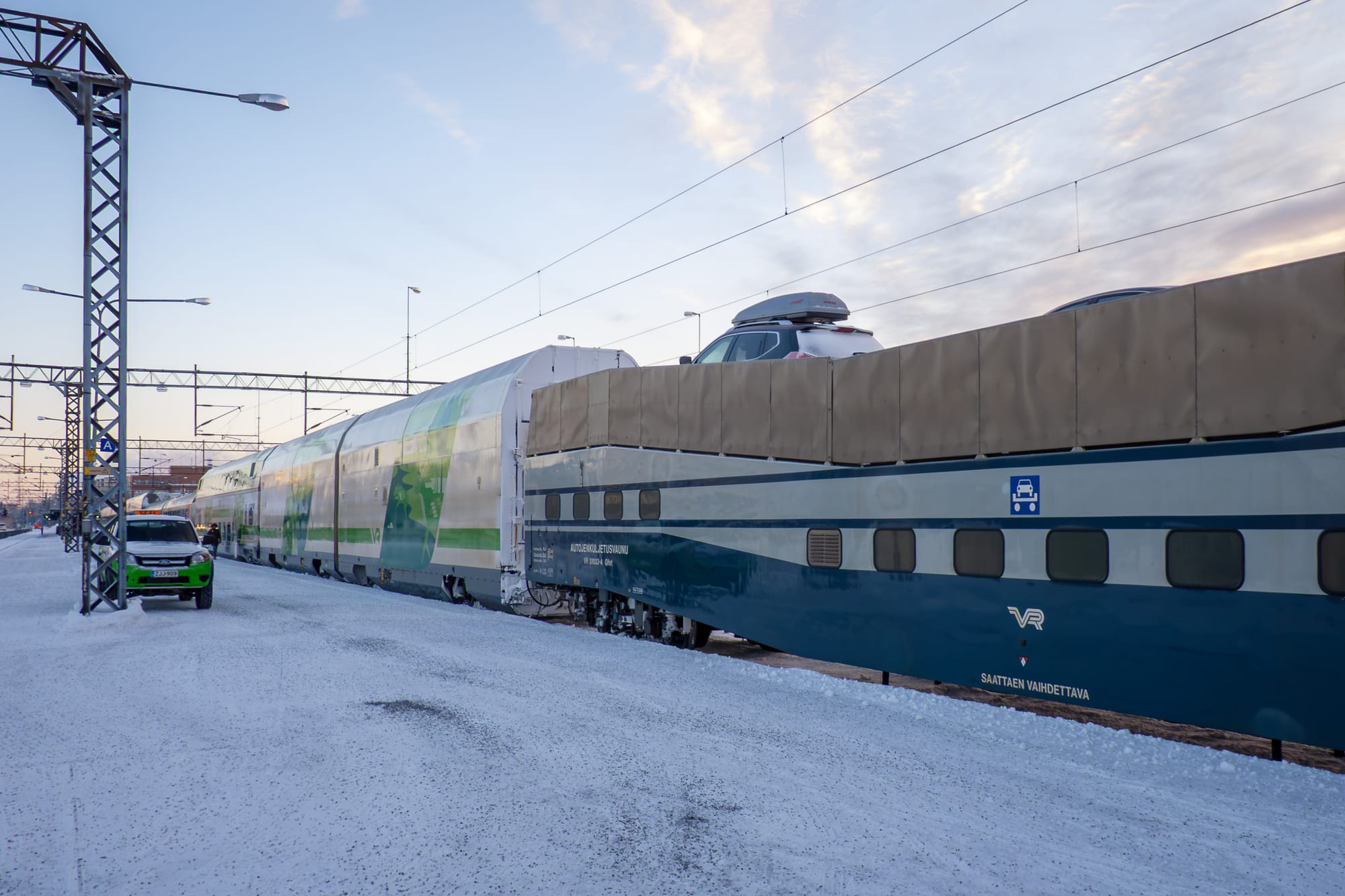
The loading points are located near the stations. Usually, you drive your vehicle onto the transport cars yourself, some of which are open and some enclosed. Train staff can also do this for you on request. Vehicles can be loaded and unloaded at the following locations:
- Helsinki-Pasila
- Turku
- Tampere
- Oulu
- Rovaniemi
- Kemijärvi
- Kolari
Further information about transporting vehicles can be found here.
Tickets and booking
Booking Finland’s night trains is straightforward and is done via the Finnish railway’s website or the VR app. Both are available in English, Swedish, and Finnish.
Compared with many other European night trains, the prices are moderate. Thanks to the high capacity, tickets are often still available at short notice outside the busiest travel periods.
Regular tickets
Prices are dynamic and vary depending on the connection, travel date, and demand. A journey in a sleeping car costs from €59 for a standard compartment on the lower deck and from €74 for a compartment with a private shower and toilet on the upper deck.
In Finland, the price always applies to the entire compartment, regardless of whether you use it alone or with another person (or even three people in the single-decker sleeping cars to Kolari). Children up to ten years old may sleep in a parent’s bed and do not need their own ticket.
Bringing your own vehicle costs from €49 for a car and from €39 for a motorbike. The price of the sleeping car compartment or Seat is then added on top.
By default, tickets cannot be exchanged or cancelled. If you want to remain flexible, you can add cancellation cover when purchasing. This allows you to cancel the ticket up to departure. You receive a refund of the full ticket price minus the cancellation-cover fee, which costs between €20 and €40 for a sleeping car compartment, depending on the connection.
Here’s how to get a cheap ticket:
- Book early: Prices are dynamic and rise as departure approaches. Finnish night trains can be booked up to a year in advance.
- Avoid peak travel periods: Particularly busy periods in Finland include the days around Midsummer, the Christmas period, and the Finnish school ski holidays, which run from mid-February to early March depending on the region. Outside these periods, your chances of finding cheap tickets are much better.
- Travel from Turku: If night trains from Helsinki are sold out or too expensive, it’s worth checking prices from Turku. Demand is generally lower and fares are cheaper.
Interrail
Finland’s night trains can also be used with Interrail. No additional reservation is required for travel in a seating car.
Anyone wishing to travel in a sleeping car, however, must book a reservation. At present, this is only available by phone from VR customer service. The reservation costs 50 per cent of the regular ticket price. Depending on the price of a regular ticket for the connection in question, this may or may not be a good deal. The only way to know is to compare the prices.
Conclusion
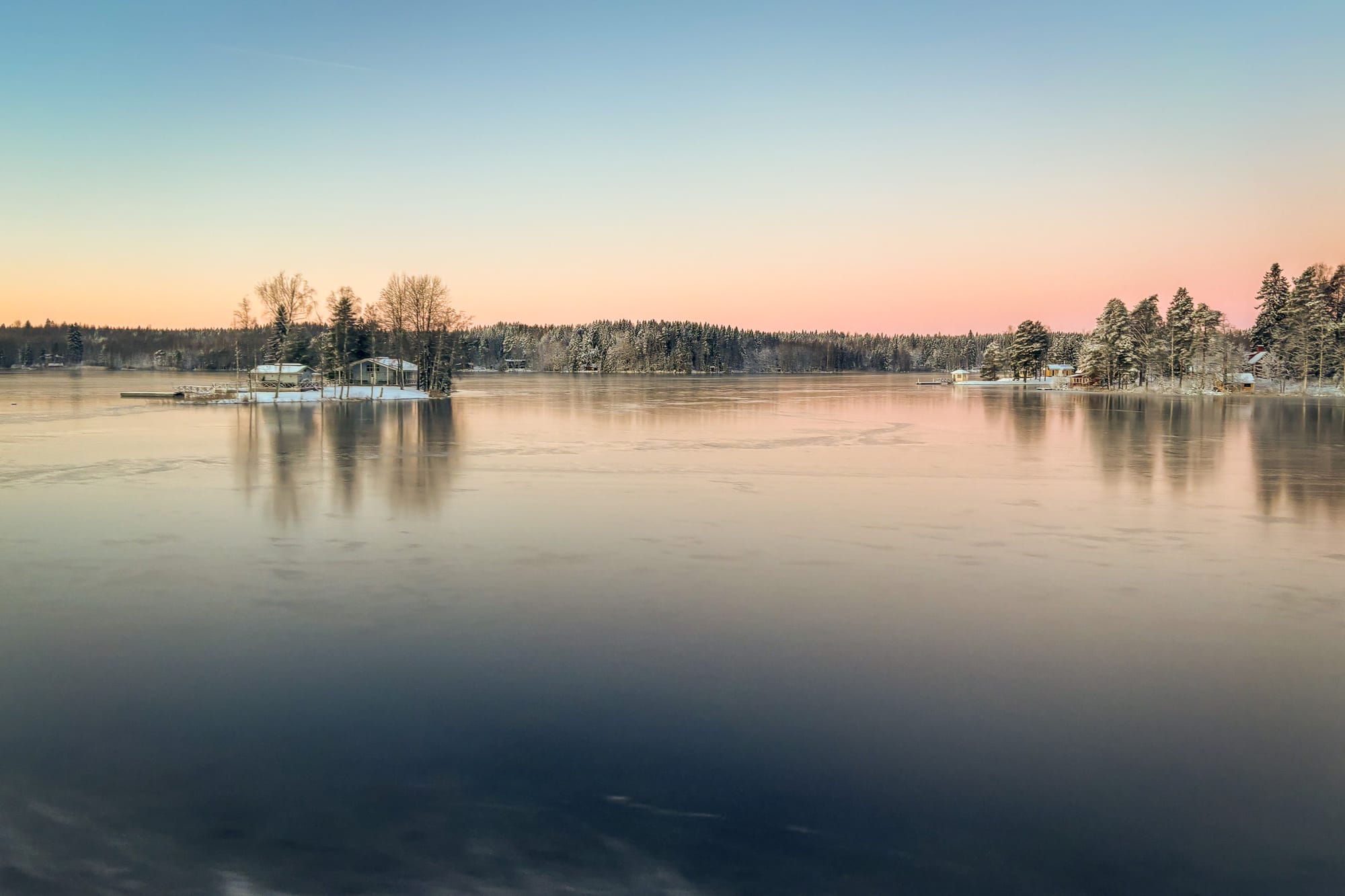
Comfortable beds, plenty of space, and fair prices: Finland gets a lot right with its superlative night trains. And whether you’re travelling with children, bringing your bicycle or dog, or travelling with reduced mobility, the Finnish night train caters to everyone’s needs. Just as a matter of course.
The cosy dining cars and the option of bringing your own car or motorbike round off the offering. Who wouldn’t want to hop straight on and set off for the Arctic Circle?
Questions and answers
Can I bring my bicycle?
Bicycles can generally be taken on Finnish night trains. The exception is the Turku–Rovaniemi service, as there are no through seating cars on this route.
The newer seating cars have eight bicycle spaces. Depending on the route, bringing a bicycle costs €4 to €8.
Can I bring pets?
Yes. Each sleeping car has a compartment specifically intended for travellers with pets, and it even comes with its own bowl. A fee of €4 to €8 is charged per animal.
Are the night trains accessible?
Each double-decker sleeping car has an accessible compartment. It is larger than the regular compartments and is located directly next to an accessible toilet. Boarding the sleeping cars is step-free.
What about luggage?
There are no fixed luggage limits. You can bring anything you can carry yourself and that fits in the compartment. A seating car has an additional luggage area for bulky items such as skis, sledges, or camping equipment. Use of it costs €5 per piece of luggage. Pushchairs are free of charge.
Are there couchette cars in Finland?
No, Finnish night trains do not have couchette cars.
How big are the beds?
The beds in Finland’s double-decker sleeping cars are 2 metres long and 75 centimetres wide.
Are there international night trains to Finland?
Due to Finland’s geographically isolated position in the European rail network, there are currently no international night trains to the country. Until the outbreak of the coronavirus pandemic, Russian Railways operated the “Tolstoy” night train from Moscow via St Petersburg to Helsinki. Given the current political situation, it is difficult to imagine it returning to the rails any time soon.
Why are there no night trains in eastern Finland?
Until 2006, Finnish Railways operated additional night train services, including from Turku to Joensuu, and from Helsinki via Kuopio and Kajaani to Oulu. The possibility of bringing these routes back is discussed from time to time, but so far the plans have failed to secure funding.
About the author: Sebastian Wilken is a passionate (night) train traveller and writes about train travel in Europe on his Zugpost. He follows the night train market for Night Ride and supplies you with the best tips and tricks for the most beautiful routes.
Have feedback or an idea for another blog post? Write to us at info@nightride.com.